Is it time to invest in power washing services for your property? Whether you're looking to enhance your property's curb appeal or maintain its structural integrity, understanding the nuances of power washing can prove invaluable. Let's take a look at everything you need to know about this essential property maintenance practice.
What Is Power Washing?
Definition and Basic Concepts
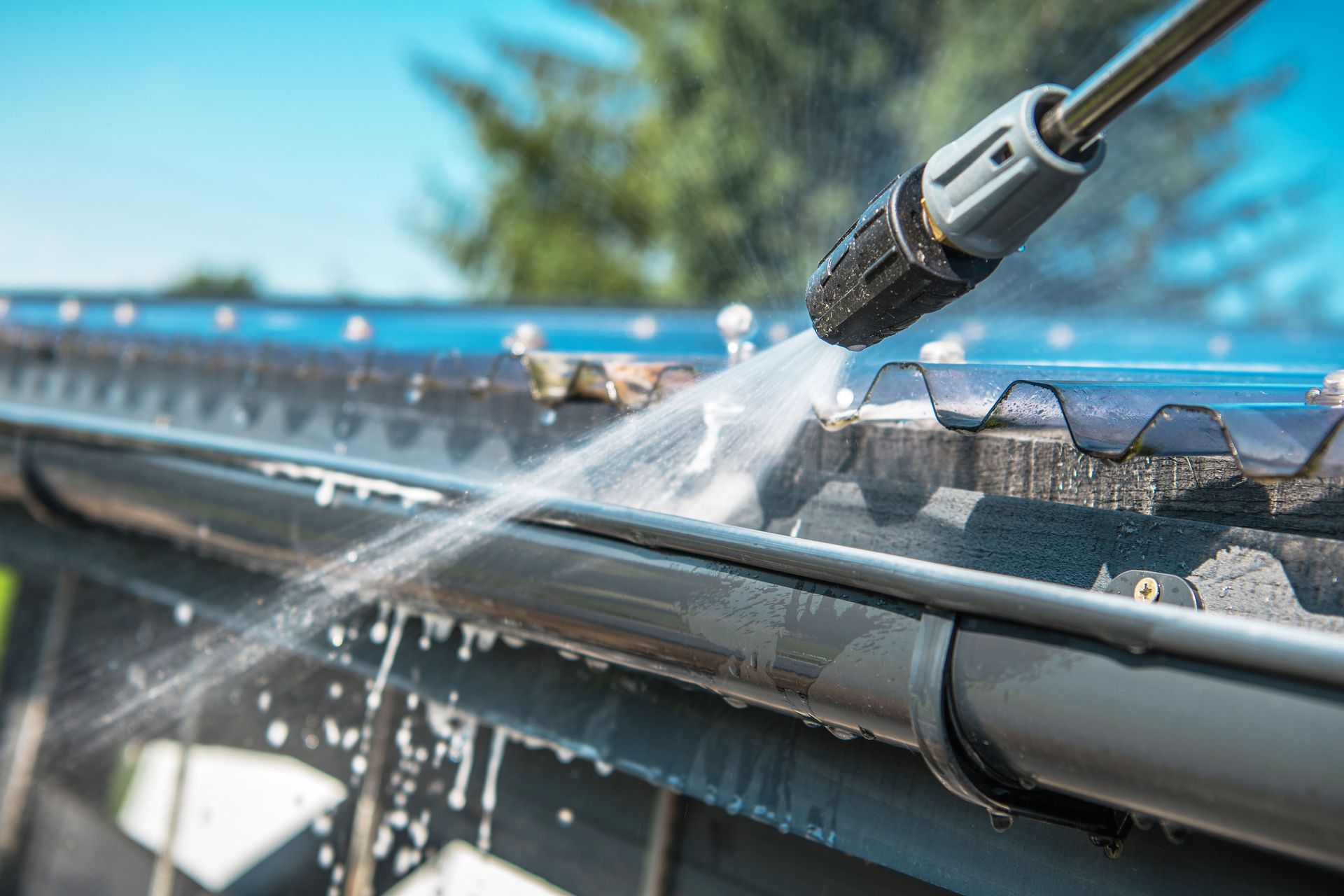
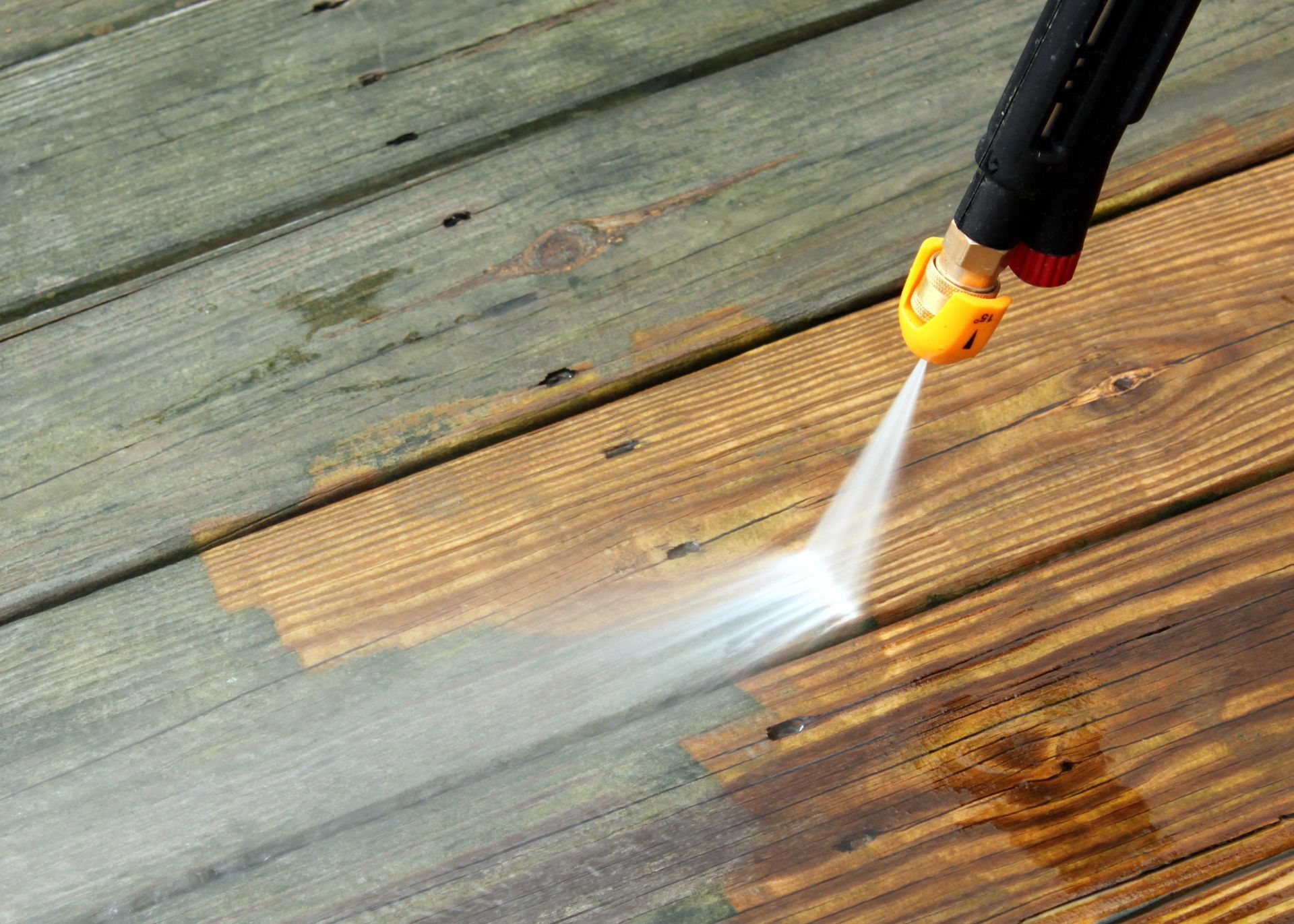
Power washing, sometimes referred to as pressure washing, involves the use of high-pressure water spray to remove dirt, mold, paint, grime, and other forms of buildup from surfaces. It's a powerful method to restore the visual appeal of exterior surfaces, enhancing the property's aesthetic without the need for costly renovations. The key component of power washing services is the motorized pump, which can generate water pressures over 1,500 PSI, depending on the industrial or residential model used. By increasing the water output PSI, the efficacy of cleaning heavily soiled areas is maximized, yielding deeper cleansing results compared to conventional cleaning methods. As a versatile cleaning approach, power washing is applicable for a variety of surfaces, including siding, driveways, decks, and outdoor furniture.
Difference Between Power Washing and Pressure Washing
While power washing and pressure washing are often used interchangeably, there are subtle differences between the two. Power washing involves using heated water in addition to high pressure, making it highly effective for breaking down resilient substances like mildew and salt. Pressure washing, on the other hand, employs cold water at varying pressures depending on the job's intensity and surface. For instance, a cleaner PSI setting between 1,300 and 1,700 is safe for pressure washing windows without causing damage, according to This Old House. When considering which method to employ, factor in the surface material and cleaning necessity to guide your choice appropriately.
Common Applications
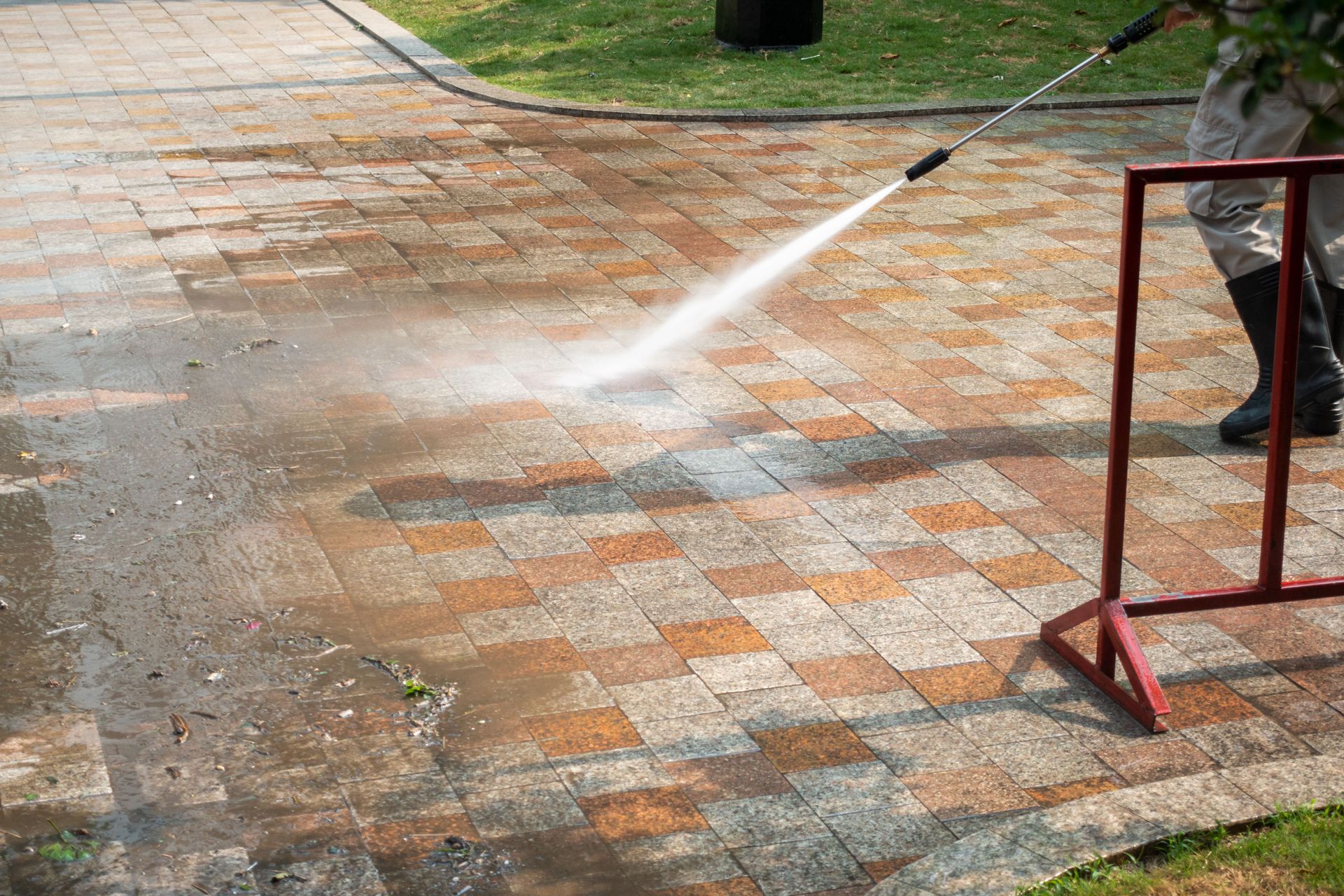
Power washing services can be used for diverse applications, catering to various sectors including residential, commercial, and industrial environments. Homeowners frequently use power washing to refresh deck areas, clean barbecue sets, and rejuvenate walls stained with smoke or oil runoff. In commercial settings, it efficiently restores the pristine state of parking lots, storefronts, and shopping complexes, often as part of routine maintenance or special preparations for events. Industrial facilities employ power washing to meet stringent cleanliness standards, ensuring safety and compliance with health regulations. Moreover, municipalities may use power washing for maintaining public spaces such as sidewalks, statues, and playground equipment, contributing to the community's overall cleanliness and hygiene.
How Does Power Washing Work?
The Science Behind Power Washing
Power washing services operate based on the fundamental principle of water pressure, which involves a pump to increase water speed through a high-pressure hose. The resulting jet stream acts with forceful impact, dislodging pollutants and buildup attached to the surface's protective layers. Unlike traditional cleaning methods, the combination of pressure and often heat (in power washing) breaks down and emulsifies contaminants, enabling easier removal. The scientific fundamentals come into play when selecting nozzle attachments that influence the water jet's angle, intensity, and spread, customizing the cleaning process for specific needs. Understanding these concepts is crucial in employing power washing efficiently and effectively.
Types of Power Washing Equipment
Power washing equipment varies widely in design and capability, catering to different scales of use from small household tasks to large-scale commercial cleaning. Basic home-use power washers generally have lower PSI limits, suitable for delicate surfaces, making them user-friendly and risk-free for personal projects. Conversely, commercial-grade power washers present higher pressure outputs, necessary for tackling industrial grime or expansive surface areas. These machines also come equipped with additional functionalities such as adjustable pressure settings and heating elements, enhancing their versatility. Choosing the right equipment depends on intended usage and familiarity, ensuring optimal performance and anticipated outcomes in cleaning projects.
Choosing the Right Pressure and Temperature
Selecting the appropriate pressure and temperature settings is foundational in power washing for achieving effective and safe cleaning outcomes. Specifying the PSI in accordance with cleaning requirements is crucial: higher PSI levels (1,500 and above) suit hard surfaces but might damage windows that require a gentler range, like 1,300 to 1,700 PSI. Heat adds another dimension; for stubborn greasy residue or mold, power washing with hot water reinforces the cleanliness effect by causing thermal degradation of contaminants. Always refer to a surface's material guidelines to discern appropriate settings, balance efficiency with safety, and forestall unintended consequences or damage.
Understanding Nozzles and Attachments
Nozzles play a significant role in the functionality and adaptability of power washing equipment. Different nozzle attachments present various spray angles measured in degrees, dictating the force and spread of the water stream. Standard types include a 0-degree nozzle for pinpoint precision, a 25-degree nozzle offering broader coverage, and a 40-degree nozzle for delicate rinsing tasks. These variations allow users to tailor the equipment's effectiveness to particular cleaning requirements, whether needing concentrated power for difficult stains or wider dispersion for general rinsing. Additionally, complementary attachments like rotating scrubbers or hose extensions can further optimize the power washing process.
When Should You Power Wash Your Property?
Best Seasons for Power Washing
Determining the optimal time to perform power washing is closely related to seasonal weather conditions. Spring emerges as a favored season across many regions, given its mild climate and the opportunity to remove winter grime. The advantage of early spring cleaning extends beyond aesthetics, preparing surfaces for other activities like painting or gardening. Conversely, autumn might serve as an alternative period, focusing on post-summer debris removal before the onset of cold, wet weather. Regardless of season, ensure weather forecasts predict stable conditions to avoid interruptions or complications during the cleaning process.
Identifying the Right Frequency
The frequency of power washing required largely depends on your location, environmental conditions, and personal preference. Urban areas might necessitate more frequent cleaning than rural settings due to pollution levels, resulting in grime and residue buildup. As a general rule, properties should undergo power washing annually to maintain their appearance and structural durability. However, adjustments might be needed for those exposed to extreme weather influences or specific types of foliage, which can accelerate deterioration or staining. Regular evaluations of surface condition and aesthetic will aid in configuring an appropriate cleaning schedule reflective of personal needs and environmental circumstances.
Signs Your Property Needs Power Washing
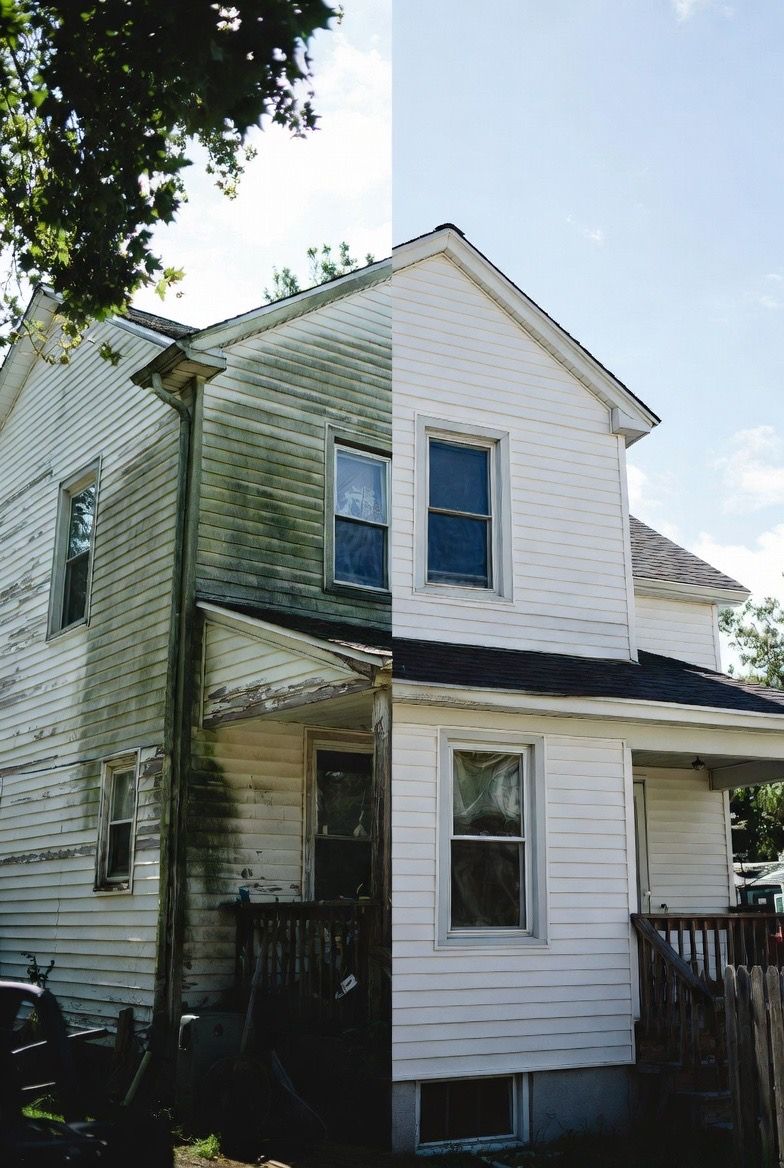
Recognizing when your property needs power washing services may not be immediately evident, but specific indicators can guide timely interventions. Noticeable discoloration, including uniform greenish or blackish tinting, often signals the growth of mold or algae, prime targets for power washing. Difficult-to-remove stains, such as those resulting from oil or rust runoff, require treatment to prevent permanent damage or blemishes. Additionally, surfaces crusted with dust and dirt detract from your property's appearance, particularly after adverse weather events. Early identification and intervention prevent the gradual deterioration of exterior materials, maintaining both aesthetic value and structural integrity.
Weather Conditions to Consider
Weather influences power washing outcomes through its effect on the drying process and cleaning efficiency. Dry, sunny days present optimal conditions, ensuring rapid drying after power washing, which prevents streaking or water spots. Avoid scheduling during prolonged rainy periods or high humidity levels, as these can extend drying times and render cleaning efforts ineffective. Extreme temperatures, either hot or cold, should also be avoided, with freezing conditions posing risks from ice formation and excessively high temperatures risking equipment malfunction. Solid planning around weather forecasts ensures cleaning effectiveness and maximizes outcomes from each power washing session.
Power washing services aren't just about making a property look better for a moment. It's a practical, long-term maintenance strategy that protects your investment and helps surfaces perform the way they should. By understanding how power washing works, when to schedule it, and how to tailor the process to different materials, you can get better results while avoiding unnecessary wear or damage. By turning to the professionals at Grime Scene Pressure Washing, power washing can keep your property looking sharp, functioning properly, and holding its value for years to come. Reach out to us today to get started with a free estimate!